Sewer relining
The main waste line out, relined through an existing access point.
The right repair starts with a clear look inside.
From inspection to no-dig repair, find the service that fits your pipe.
View all services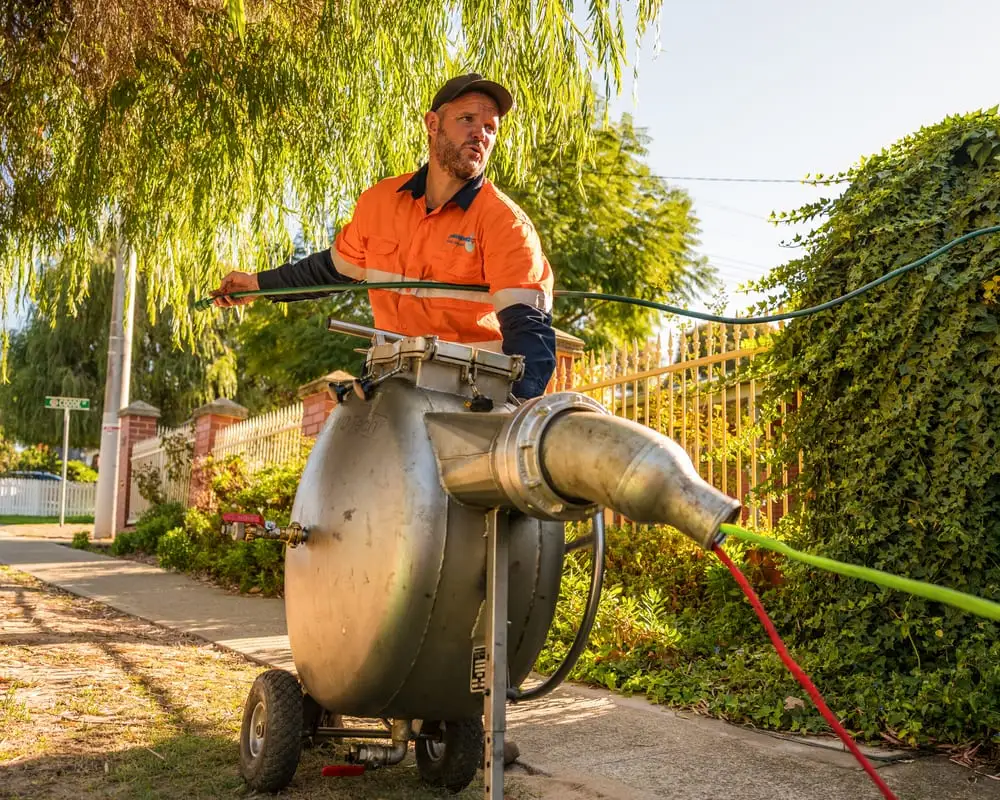
Four services, three kinds of property, one method family, all of it drainage. If you know which line has failed, go straight to it. If you do not, the camera is the first job either way.
Most people arrive knowing roughly what is wrong: the toilet backs up, the yard floods at the same corner every winter, or a plumber has been out twice with a jetter. Pick the closest match. Getting it slightly wrong costs nothing, because the inspection settles it first.
The main waste line out, relined through an existing access point.
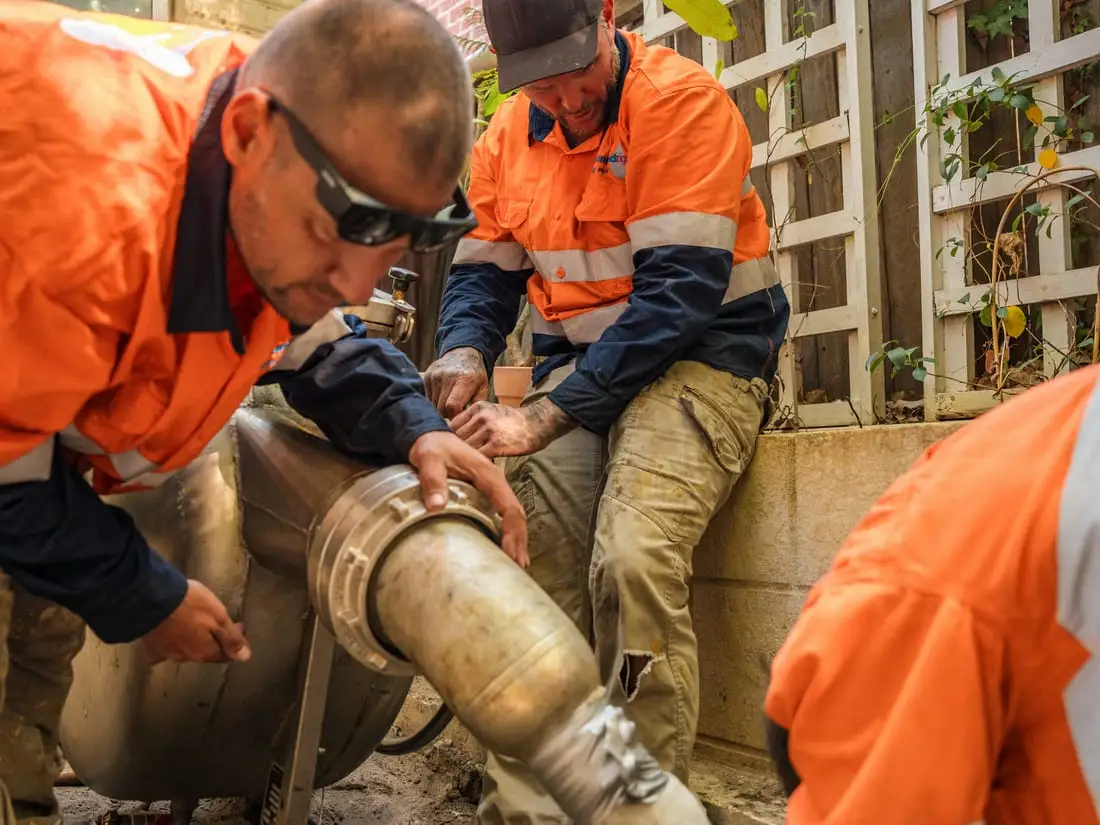
For branch drains that block because the pipe is the cause.
Roof and surface lines running to a soakwell or council connection.
The camera run that finds the fault every scope is built on.
A pipe behaves the same way in a unit block as in a house. What changes is who has to approve the work, who is inconvenienced by it, and what the paperwork says afterwards.
Houses and units, Fremantle cottages to Joondalup estates.
Shared drainage, scoped for a committee, Mandurah to Joondalup.
Larger diameter and heavier use, scheduled around trading hours.
Stormwater and sewer under roads, reserves and school grounds, priced to your RFQ or tender.
Most calls start with a symptom or a situation, not a service name. Start from whichever of these sounds like yours.
Roots back in the same drain after every clean.
Broken or partly collapsed sewer, and when it needs a dig first.
Where a branch line meets the main and the joint has failed.
One crack or open joint in a sound pipe, sealed without relining the run.
A failed drain under the house, fixed without lifting the floor.
Pavers or concrete stay down while the pipe below is relined.
Cracked or leaking pool lines under paving and coping, relined from inside.
Replacing a sewer line: trench or reline from inside.
The two methods side by side.
When it is, and when digging is the better call.
What to give your insurer and what to ask them.
A camera through the sewer before you settle, recording handed over.
Footage and a scope to send the owner, tenant access arranged.
Old AC sewer or stormwater pipe, relined in place instead of dug out.
Older and heritage homes, relined through the access already there.
Material decides how a pipe fails, which decides what the reline has to do. Vitrified clay, the standard in Perth's older suburbs, goes brittle and opens at the joints, which is where roots get in. Cast iron corrodes and scales from the inside, so the bore narrows before anything cracks. PVC does not corrode, but its joints pull apart when the ground moves. Concrete deteriorates with age and flow, and copper corrodes from the inside out. Asbestos cement, installed mid last century, is reaching the end of its service life across much of the metro area. We reline it in place, so the old pipe does not have to be dug out.
It all runs through sewer pipe relining, which covers each material and what the camera looks for in it. The material is something the inspection identifies, not something you need to know before you call.
A resin-impregnated liner goes into the damaged pipe, and then the resin has to be hardened. UV cured relining does that with a light train pulled through the liner, so the resin sets on exposure to light rather than on heat brought in from the surface. Steam and hot water curing are the alternatives, and each suits different run lengths and access conditions.
The other decision is scope, not chemistry: a point repair covers one short defect, a full-length reline covers the whole run. There is a walk-through on how pipe relining works.
Describe what the drain is doing and where the property is. The camera run tells us which service this actually is, and the scope follows from that.