Pipe Relining vs Replacement in Perth
Pipe relining vs replacement in Perth comes down to two things: the condition of the pipe, and what sits on top of it. Relining puts a new pipe inside the old one from an access point. Replacement digs the old pipe out and lays a new one.
- The camera shows which method your pipe needs
What each method does to your property
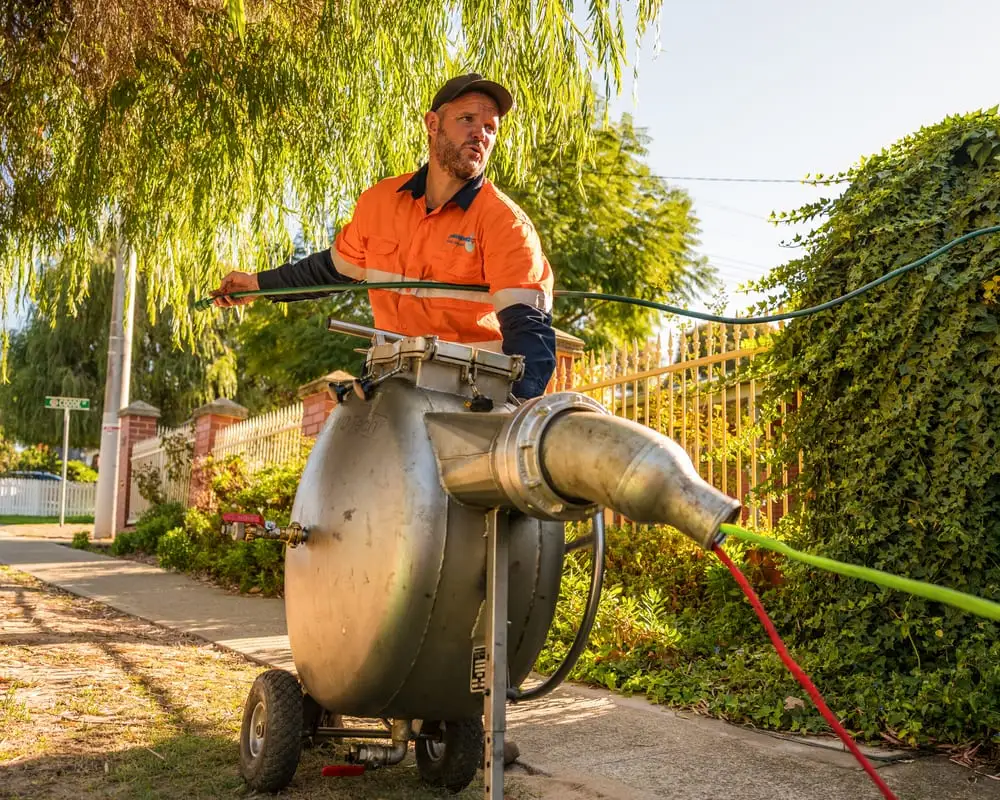
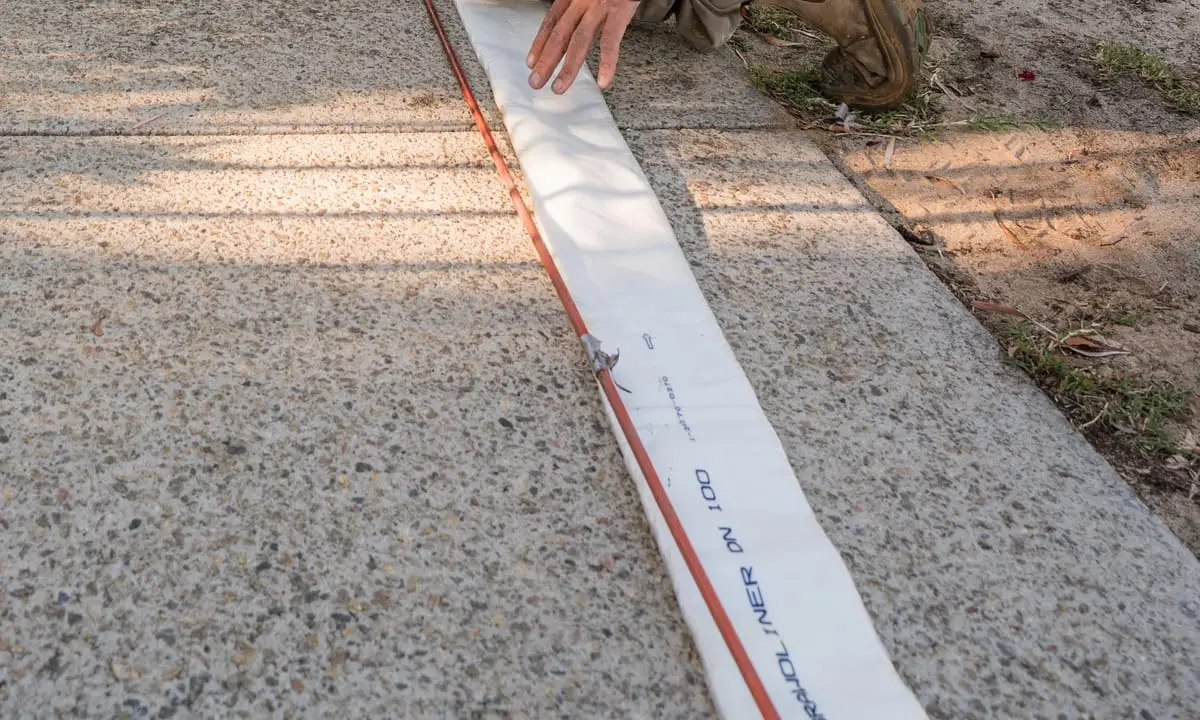
Relining works from the inside. The pipe is cleaned, a resin-saturated liner is fed in through an access point and cured hard against the old wall. The result is a continuous, jointless pipe inside the original, and the ground above it is not opened.
Replacement works from the outside. The ground is excavated along the damaged length, the old pipe is removed, a new one is bedded and laid at the correct fall, and the trench is backfilled. Then whatever was on top has to be rebuilt.
They differ in what they disturb and what damage they can fix. For the relining steps, see how pipe relining works.
Pipe relining vs replacement compared
| Comparison | Pipe relining | Dig and replace |
|---|---|---|
| How the pipe is reached | Through an existing access point, such as an inspection opening, a gully or a small access hole at one end. | By excavating along the damaged length, down to the pipe and past it. |
| What gets dug up | Usually nothing along the run. At most, a small hole where no access point exists. | Everything above the damaged length: lawn, garden beds, paving, concrete, and sometimes part of a floor. |
| Reinstatement of slab, driveway and garden | Little or none, because the surface above the pipe is not opened. | Every surface removed has to be rebuilt: concrete poured, pavers relaid, garden replanted. Often a separate trade. |
| Disruption on site | Equipment at the access point. The drain is out of use while the liner goes in and cures. | An open trench and spoil pile until the new pipe is laid, tested and backfilled, then the reinstatement work. |
| The pipe you end up with | A jointless liner cured inside the old pipe. It follows the old pipe’s route and fall. | A new pipe on a new bed. Its route and fall can be changed. |
| Faults it suits | Cracks, open or displaced joints, root entry and minor corrosion in a pipe that still holds its shape. | Collapsed sections, pronounced sags or bellies, and lines that need to move. |
| What decides it | The pipe still holds its shape and fall, and the surface above is costly or awkward to open. | The pipe has lost its shape or fall, needs a new route, or sits shallow under open ground. |
On a narrow screen, the table scrolls sideways inside its box.
What gets dug up, and what gets put back
The trench is only half of a replacement. The other half is rebuilding what the trench went through, and on a typical Perth block that list is longer than people expect.
- Driveways and crossovers: concrete cut, broken out and repoured, or pavers lifted and relaid.
- House slabs: a line under the floor means cutting the slab, and then the floor coverings over it.
- Alfresco and paved areas: pavers and bedding sand lifted, then relevelled and relaid.
- Gardens and reticulation: established beds, lawn and retic lines along the pipe route.
- Limestone walls and heritage fabric: harder to rebuild to match on older homes.
Relining skips most of that list, because the liner travels through the pipe rather than through the ground. Our Fremantle heritage home job shows what that looks like on a property with a lot to protect.
Which faults suit relining, and which suit replacement
A liner takes the shape of the pipe it goes into. That single fact sorts most faults into one column or the other.
Usually relined
- Cracked clay or concrete lengths that still hold their shape
- Open, displaced or leaking joints
- Root entry at the joints (see tree roots in pipes)
- Several faults spread along one run
Usually dug up
- A section that has collapsed, with no wall left to line
- A pronounced belly that holds water and solids
- A line that has to move for an extension or new slab
- A short, shallow fault under open ground with nothing costly above
Plenty of lines have faults from both columns. Then the answer is a mix: dig and replace the section that has failed in shape, and reline the rest from an access point so only one patch of ground is opened.
How we decide between relining and replacement
We start with a CCTV drain inspection. The camera shows the pipe material, where each fault is, how far it runs and whether the pipe still holds its shape and fall. You watch the same footage we do, and the recording is handed over with the written scope.
Then we look at the surface above each fault. A crack under a lawn and the same crack under a driveway are the same repair inside the pipe and very different jobs from above. The written scope sets out which method we recommend for each section and why. For a house sewer, sewer pipe relining covers how the relining side runs, and pipe relining cost in Perth covers what moves the price. If you are still weighing up whether to fix the line at all, read is pipe relining worth it.
We do not recommend relining a pipe that a liner cannot fix. If the footage shows a dig is the right call for a section, the scope says so, and the same team can do the dig. We reline where the pipe allows it and dig only where it genuinely needs it.
Relining or replacement: common questions
Is pipe relining as strong as a replacement pipe?
Can relining and replacement be combined on one line?
Does relining reduce the size of the pipe?
Find out which method your pipe needs
Tell us what the drain is doing and where the property is. Camera first, then a written scope that says reline, dig, or both.