Cast Iron Pipe Relining in Perth
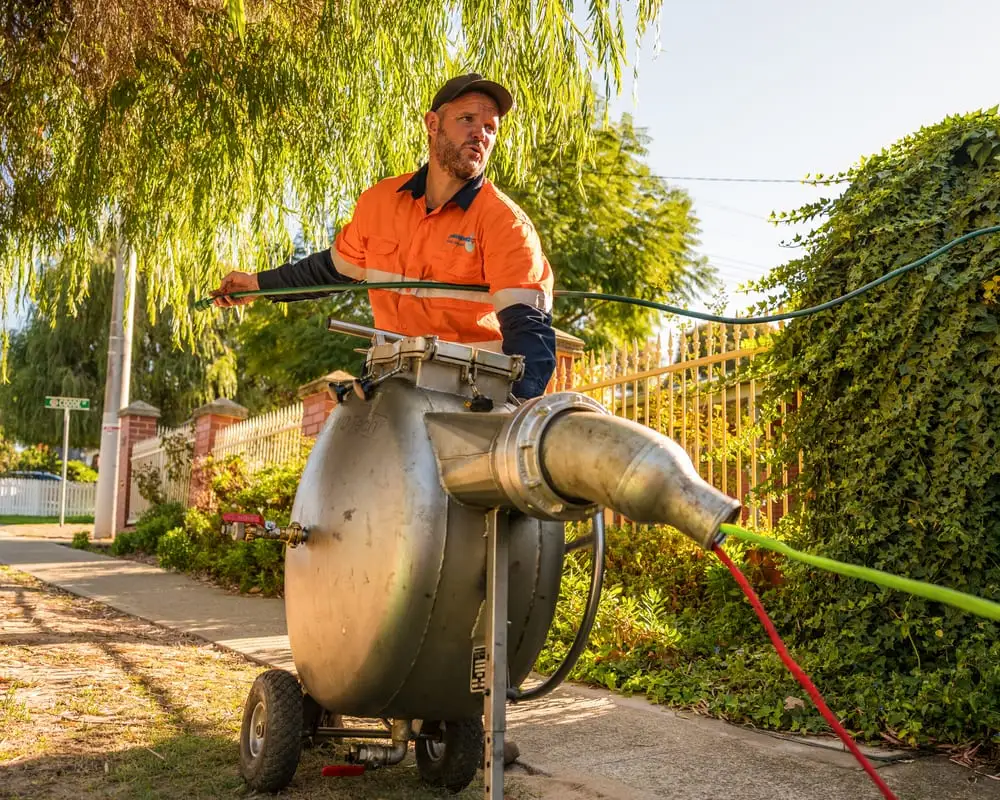
Cast iron pipe relining in Perth deals with pipe that is failing from the inside. Corrosion and scale narrow the bore and roughen the wall, so we clean it back to sound metal, check what is left on camera, and cure a new smooth wall inside it.
- Cleaning back to a sound wall comes before any liner goes in
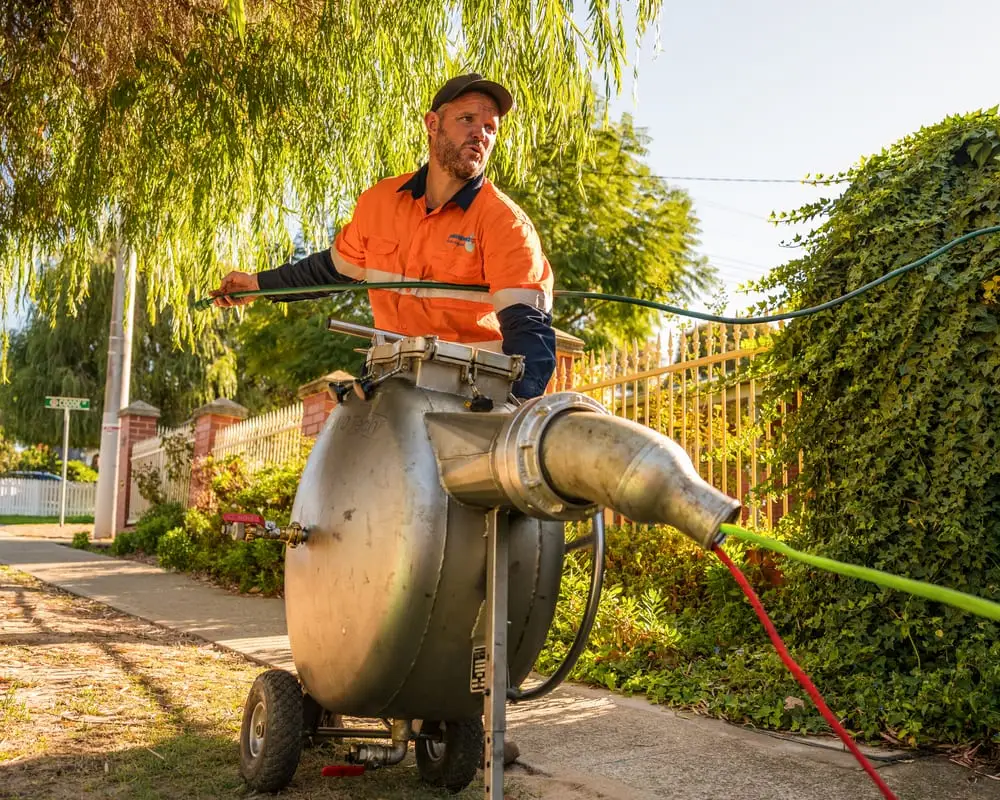
Cleaned to a sound wall
Scale and loose corrosion come off first, because the liner needs sound metal to bond to.
The camera sees the real wall
Once the scale is off, the footage shows how much sound iron is really left.
No walls or floors opened
The liner goes in through an access point, not by cutting out the old pipe.
How cast iron fails from the inside
Cast iron does not usually let go at a joint the way clay does. It wears along its whole wall. The inside surface corrodes, and the corrosion builds up as scale. The scale narrows the bore and turns a smooth wall into a rough one that catches paper, grease and anything else passing. That is why an old cast iron drain can block on its own, with nothing unusual going down it.
Over time the scale flakes away and takes metal with it, leaving pits in the wall. In older sections the pits go right through. From the outside, the pipe can look fine the whole time.
- The same drain blocks again soon after it was cleared.
- Water drains more slowly than it used to, even when nothing is stuck.
- Rust-coloured flakes come up when the drain is cleared or jetted.
- Damp patches or stains appear around a pipe inside a wall, ceiling or duct.
Where cast iron pipe turns up in Perth
Older homes, like the one in our Fremantle heritage home case study, often have a sewer of clay, cast iron or early concrete rather than PVC. Cast iron is also found in the drains and vertical stacks of older commercial and multi-storey buildings, where the pipe runs inside walls, ducts and ceilings rather than under a garden.
That changes what "no dig" is saving. On a house, it is the driveway and the lawn. In a building, it is the tiles, walls and ceilings the pipe runs behind, and the tenants or residents who would otherwise live with the work. Our commercial pipe relining and strata pipe relining pages cover how those jobs are scheduled and signed off.
Cast iron from corroded to relined
Why cleaning matters more on cast iron
Every relining job is cleaned before it is lined, because the liner needs a clean surface to bond to. On clay, that mostly means clearing roots. On cast iron, it means taking off scale and loose corrosion until what is left is sound metal. A liner cured over flaking rust is bonded to something that is still coming away.
Cleaning also shows the real pipe. Under heavy scale, the camera cannot see how much wall is left. Once it is off, the CCTV inspection camera shows the pitting, any holes through the wall and any section too far gone to line. The scope is written from that footage, not from what the pipe looked like blocked.
How relining works on cast iron
With the wall clean, a resin-saturated liner goes in through an access point and is pressed against the iron, where it cures hard. The result is a new, smooth, continuous wall inside the old pipe. The flow runs against the liner instead of the iron, and the rough surface that kept catching debris is gone.
Where a section has lost whole pieces of wall or collapsed, it has to be replaced before the rest is lined. We will say so from the footage, and the same team can do that replacement. For each step in order, see how pipe relining works. For the house sewer side, see sewer pipe relining, and for what moves the price, see pipe relining cost in Perth.
Older clay sewers fail differently: at the joints, through roots and ground movement, rather than along the wall. See clay pipe relining in Perth. Asbestos cement lines can be relined in place rather than dug out; see asbestos pipe relining in Perth.
What people ask us about cast iron pipe relining
How long does cast iron pipe relining last?
Does descaling on its own fix a cast iron pipe?
Can a cast iron pipe with holes in it be relined?
Can a cast iron stack be relined?
Will the pipe be narrower after relining?
Cast iron drain that keeps blocking?
Tell us where the property or building is and what the drain is doing. We will get a camera in, show you what the iron looks like, and quote to clean and line it.